Skip to content

3559. Number of Ways to Assign Edge Weights II

SourceBiweekly Contest 157 Q4DifficultyHardRating2146

Description

There is an undirected tree with n nodes labeled from 1 to n, rooted at node 1. The tree is represented by a 2D integer array edges of length n - 1, where edges[i] = [ui, vi] indicates that there is an edge between nodes ui and vi.

Initially, all edges have a weight of 0. You must assign each edge a weight of either 1 or 2.

The cost of a path between any two nodes u and v is the total weight of all edges in the path connecting them.

You are given a 2D integer array queries. For each queries[i] = [ui, vi], determine the number of ways to assign weights to edges in the path such that the cost of the path between ui and vi is odd.

Return an array answer, where answer[i] is the number of valid assignments for queries[i].

Since the answer may be large, apply modulo 109 + 7 to each answer[i].

Note: For each query, disregard all edges not in the path between node ui and vi.


Example 1:

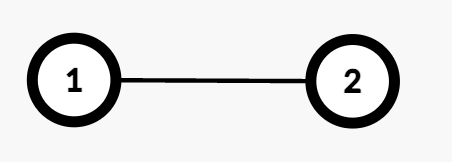
Input: edges = [[1,2]], queries = [[1,1],[1,2]]

Output: [0,1]

Explanation:

  • Query [1,1]: The path from Node 1 to itself consists of no edges, so the cost is 0. Thus, the number of valid assignments is 0.
  • Query [1,2]: The path from Node 1 to Node 2 consists of one edge (1 → 2). Assigning weight 1 makes the cost odd, while 2 makes it even. Thus, the number of valid assignments is 1.

Example 2:

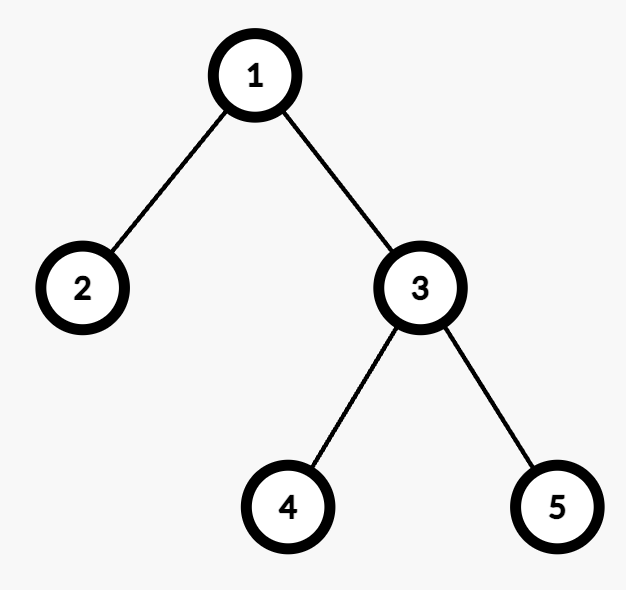
Input: edges = [[1,2],[1,3],[3,4],[3,5]], queries = [[1,4],[3,4],[2,5]]

Output: [2,1,4]

Explanation:

  • Query [1,4]: The path from Node 1 to Node 4 consists of two edges (1 → 3 and 3 → 4). Assigning weights (1,2) or (2,1) results in an odd cost. Thus, the number of valid assignments is 2.
  • Query [3,4]: The path from Node 3 to Node 4 consists of one edge (3 → 4). Assigning weight 1 makes the cost odd, while 2 makes it even. Thus, the number of valid assignments is 1.
  • Query [2,5]: The path from Node 2 to Node 5 consists of three edges (2 → 1, 1 → 3, and 3 → 5). Assigning (1,2,2), (2,1,2), (2,2,1), or (1,1,1) makes the cost odd. Thus, the number of valid assignments is 4.


Constraints:

  • 2 <= n <= 105
  • edges.length == n - 1
  • edges[i] == [ui, vi]
  • 1 <= queries.length <= 105
  • queries[i] == [ui, vi]
  • 1 <= ui, vi <= n
  • edges represents a valid tree.

Solutions

Solution 1: LCA + Math

Thinking

The previous problem used one root-to-leaf path. Each query here is a \(u\)\(v\) path of \(d = \textit{depth}[u]+\textit{depth}[v]-2\cdot\textit{depth}[\textit{lca}]\) edges.

The count is still \(2^{d-1}\). BFS plus binary lifting prepares LCA, powers of two are precomputed, and each query is \(O(\log n)\).

The path \(u \to v\) has \(d = \textit{depth}[u] + \textit{depth}[v] - 2 \cdot \textit{depth}[\textit{lca}]\) edges, and each edge can be assigned weight \(1\) or \(2\). The cost is odd if and only if an odd number of edges have weight \(1\). The number of ways to choose an odd number of edges out of \(d\) is \(2^{d-1}\) (or \(0\) if \(d = 0\)).

Use BFS to compute the depth and parent of each node, then binary lifting to preprocess LCAs. Precompute powers of \(2\) so each query can be answered in \(O(\log n)\).

The time complexity is \(O((n + q) \times \log n)\), and the space complexity is \(O(n \times \log n)\), where \(n\) is the number of nodes and \(q\) is the number of queries.
 1
 2
 3
 4
 5
 6
 7
 8
 9
10
11
12
13
14
15
16
17
18
19
20
21
22
23
24
25
26
27
28
29
30
31
32
33
34
35
36
37
38
39
40
41
42
43
44
class Solution:
    def assignEdgeWeights(
        self, edges: List[List[int]], queries: List[List[int]]
    ) -> List[int]:
        n = len(edges) + 1
        m = n.bit_length()
        g = [[] for _ in range(n + 1)]
        for u, v in edges:
            g[u].append(v)
            g[v].append(u)
        f = [[0] * m for _ in range(n + 1)]
        p = [0] * (n + 1)
        depth = [0] * (n + 1)
        q = deque([1])
        while q:
            i = q.popleft()
            f[i][0] = p[i]
            for j in range(1, m):
                f[i][j] = f[f[i][j - 1]][j - 1]
            for j in g[i]:
                if j != p[i]:
                    p[j] = i
                    depth[j] = depth[i] + 1
                    q.append(j)
        mod = 10**9 + 7
        pow2 = [1] * n
        for i in range(1, n):
            pow2[i] = pow2[i - 1] * 2 % mod
        ans = []
        for u, v in queries:
            x, y = u, v
            if depth[x] < depth[y]:
                x, y = y, x
            for j in range(m - 1, -1, -1):
                if depth[x] - depth[y] >= (1 << j):
                    x = f[x][j]
            for j in range(m - 1, -1, -1):
                if f[x][j] != f[y][j]:
                    x, y = f[x][j], f[y][j]
            if x != y:
                x = p[x]
            d = depth[u] + depth[v] - 2 * depth[x]
            ans.append(0 if d == 0 else pow2[d - 1])
        return ans
 1
 2
 3
 4
 5
 6
 7
 8
 9
10
11
12
13
14
15
16
17
18
19
20
21
22
23
24
25
26
27
28
29
30
31
32
33
34
35
36
37
38
39
40
41
42
43
44
45
46
47
48
49
50
51
52
53
54
55
56
57
58
59
60
61
62
63
64
65
class Solution {
    public int[] assignEdgeWeights(int[][] edges, int[][] queries) {
        int n = edges.length + 1;
        int m = 32 - Integer.numberOfLeadingZeros(n);
        List<Integer>[] g = new List[n + 1];
        Arrays.setAll(g, i -> new ArrayList<>());
        for (var e : edges) {
            int u = e[0], v = e[1];
            g[u].add(v);
            g[v].add(u);
        }
        int[][] f = new int[n + 1][m];
        int[] p = new int[n + 1];
        int[] depth = new int[n + 1];
        Deque<Integer> q = new ArrayDeque<>();
        q.offer(1);
        while (!q.isEmpty()) {
            int i = q.poll();
            f[i][0] = p[i];
            for (int j = 1; j < m; ++j) {
                f[i][j] = f[f[i][j - 1]][j - 1];
            }
            for (int j : g[i]) {
                if (j != p[i]) {
                    p[j] = i;
                    depth[j] = depth[i] + 1;
                    q.offer(j);
                }
            }
        }
        final int mod = (int) 1e9 + 7;
        int[] pow2 = new int[n];
        pow2[0] = 1;
        for (int i = 1; i < n; ++i) {
            pow2[i] = (int) (pow2[i - 1] * 2L % mod);
        }
        int[] ans = new int[queries.length];
        for (int i = 0; i < queries.length; ++i) {
            int u = queries[i][0], v = queries[i][1];
            int x = u, y = v;
            if (depth[x] < depth[y]) {
                int t = x;
                x = y;
                y = t;
            }
            for (int j = m - 1; j >= 0; --j) {
                if (depth[x] - depth[y] >= (1 << j)) {
                    x = f[x][j];
                }
            }
            for (int j = m - 1; j >= 0; --j) {
                if (f[x][j] != f[y][j]) {
                    x = f[x][j];
                    y = f[y][j];
                }
            }
            if (x != y) {
                x = p[x];
            }
            int d = depth[u] + depth[v] - 2 * depth[x];
            ans[i] = d == 0 ? 0 : pow2[d - 1];
        }
        return ans;
    }
}
 1
 2
 3
 4
 5
 6
 7
 8
 9
10
11
12
13
14
15
16
17
18
19
20
21
22
23
24
25
26
27
28
29
30
31
32
33
34
35
36
37
38
39
40
41
42
43
44
45
46
47
48
49
50
51
52
53
54
55
56
57
58
59
60
61
62
class Solution {
public:
    vector<int> assignEdgeWeights(vector<vector<int>>& edges, vector<vector<int>>& queries) {
        int n = edges.size() + 1;
        int m = 32 - __builtin_clz(n);
        vector<vector<int>> g(n + 1);
        for (auto& e : edges) {
            int u = e[0], v = e[1];
            g[u].push_back(v);
            g[v].push_back(u);
        }
        vector<vector<int>> f(n + 1, vector<int>(m));
        vector<int> p(n + 1), depth(n + 1);
        queue<int> q;
        q.push(1);
        while (!q.empty()) {
            int i = q.front();
            q.pop();
            f[i][0] = p[i];
            for (int j = 1; j < m; ++j) {
                f[i][j] = f[f[i][j - 1]][j - 1];
            }
            for (int j : g[i]) {
                if (j != p[i]) {
                    p[j] = i;
                    depth[j] = depth[i] + 1;
                    q.push(j);
                }
            }
        }
        const int mod = 1e9 + 7;
        vector<int> pow2(n, 1);
        for (int i = 1; i < n; ++i) {
            pow2[i] = pow2[i - 1] * 2 % mod;
        }
        vector<int> ans;
        for (auto& qq : queries) {
            int u = qq[0], v = qq[1];
            int x = u, y = v;
            if (depth[x] < depth[y]) {
                swap(x, y);
            }
            for (int j = m - 1; ~j; --j) {
                if (depth[x] - depth[y] >= (1 << j)) {
                    x = f[x][j];
                }
            }
            for (int j = m - 1; ~j; --j) {
                if (f[x][j] != f[y][j]) {
                    x = f[x][j];
                    y = f[y][j];
                }
            }
            if (x != y) {
                x = p[x];
            }
            int d = depth[u] + depth[v] - 2 * depth[x];
            ans.push_back(d == 0 ? 0 : pow2[d - 1]);
        }
        return ans;
    }
};
 1
 2
 3
 4
 5
 6
 7
 8
 9
10
11
12
13
14
15
16
17
18
19
20
21
22
23
24
25
26
27
28
29
30
31
32
33
34
35
36
37
38
39
40
41
42
43
44
45
46
47
48
49
50
51
52
53
54
55
56
57
58
59
60
61
62
63
64
func assignEdgeWeights(edges [][]int, queries [][]int) []int {
    n := len(edges) + 1
    m := bits.Len(uint(n))
    g := make([][]int, n+1)
    for _, e := range edges {
        u, v := e[0], e[1]
        g[u] = append(g[u], v)
        g[v] = append(g[v], u)
    }
    f := make([][]int, n+1)
    for i := range f {
        f[i] = make([]int, m)
    }
    p := make([]int, n+1)
    depth := make([]int, n+1)
    q := []int{1}
    for len(q) > 0 {
        i := q[0]
        q = q[1:]
        f[i][0] = p[i]
        for j := 1; j < m; j++ {
            f[i][j] = f[f[i][j-1]][j-1]
        }
        for _, j := range g[i] {
            if j != p[i] {
                p[j] = i
                depth[j] = depth[i] + 1
                q = append(q, j)
            }
        }
    }
    const mod = int(1e9 + 7)
    pow2 := make([]int, n)
    pow2[0] = 1
    for i := 1; i < n; i++ {
        pow2[i] = pow2[i-1] * 2 % mod
    }
    ans := make([]int, len(queries))
    for i, qq := range queries {
        u, v := qq[0], qq[1]
        x, y := u, v
        if depth[x] < depth[y] {
            x, y = y, x
        }
        for j := m - 1; j >= 0; j-- {
            if depth[x]-depth[y] >= 1<<j {
                x = f[x][j]
            }
        }
        for j := m - 1; j >= 0; j-- {
            if f[x][j] != f[y][j] {
                x, y = f[x][j], f[y][j]
            }
        }
        if x != y {
            x = p[x]
        }
        d := depth[u] + depth[v] - 2*depth[x]
        if d > 0 {
            ans[i] = pow2[d-1]
        }
    }
    return ans
}
 1
 2
 3
 4
 5
 6
 7
 8
 9
10
11
12
13
14
15
16
17
18
19
20
21
22
23
24
25
26
27
28
29
30
31
32
33
34
35
36
37
38
39
40
41
42
43
44
45
46
47
48
49
50
51
52
53
54
55
56
57
58
59
60
61
62
63
64
65
66
67
68
69
70
71
72
73
74
75
76
77
78
79
80
81
82
83
84
85
int* assignEdgeWeights(int** edges, int edgesSize, int* edgesColSize, int** queries,
    int queriesSize, int* queriesColSize, int* returnSize) {
    int n = edgesSize + 1;
    int m = 32 - __builtin_clz(n);
    int* cnt = calloc(n + 1, sizeof(int));
    for (int i = 0; i < edgesSize; ++i) {
        ++cnt[edges[i][0]];
        ++cnt[edges[i][1]];
    }
    int** g = malloc((n + 1) * sizeof(int*));
    for (int i = 1; i <= n; ++i) {
        g[i] = malloc(cnt[i] * sizeof(int));
        cnt[i] = 0;
    }
    for (int i = 0; i < edgesSize; ++i) {
        int u = edges[i][0], v = edges[i][1];
        g[u][cnt[u]++] = v;
        g[v][cnt[v]++] = u;
    }
    int* f = calloc((n + 1) * m, sizeof(int));
    int* p = calloc(n + 1, sizeof(int));
    int* depth = calloc(n + 1, sizeof(int));
    int* que = malloc(n * sizeof(int));
    int head = 0, tail = 0;
    que[tail++] = 1;
    while (head < tail) {
        int i = que[head++];
        f[i * m] = p[i];
        for (int j = 1; j < m; ++j) {
            f[i * m + j] = f[f[i * m + j - 1] * m + j - 1];
        }
        for (int k = 0; k < cnt[i]; ++k) {
            int j = g[i][k];
            if (j != p[i]) {
                p[j] = i;
                depth[j] = depth[i] + 1;
                que[tail++] = j;
            }
        }
    }
    const int mod = 1e9 + 7;
    int* pow2 = malloc(n * sizeof(int));
    pow2[0] = 1;
    for (int i = 1; i < n; ++i) {
        pow2[i] = pow2[i - 1] * 2 % mod;
    }
    int* ans = malloc(queriesSize * sizeof(int));
    for (int t = 0; t < queriesSize; ++t) {
        int u = queries[t][0], v = queries[t][1];
        int x = u, y = v;
        if (depth[x] < depth[y]) {
            int tmp = x;
            x = y;
            y = tmp;
        }
        for (int j = m - 1; j >= 0; --j) {
            if (depth[x] - depth[y] >= (1 << j)) {
                x = f[x * m + j];
            }
        }
        for (int j = m - 1; j >= 0; --j) {
            if (f[x * m + j] != f[y * m + j]) {
                x = f[x * m + j];
                y = f[y * m + j];
            }
        }
        if (x != y) {
            x = p[x];
        }
        int d = depth[u] + depth[v] - 2 * depth[x];
        ans[t] = d == 0 ? 0 : pow2[d - 1];
    }
    for (int i = 1; i <= n; ++i) {
        free(g[i]);
    }
    free(g);
    free(cnt);
    free(f);
    free(p);
    free(depth);
    free(que);
    free(pow2);
    *returnSize = queriesSize;
    return ans;
}

Comments